Han Yangling: The Quieter Emperor’s Tomb
A Han Dynasty mausoleum with thousands of miniature terracotta figurines, glass-floored museum walkways, and almost no crowds. A hidden gem 40 minutes from Xi’an.
Written by Li Wei
History & Culture Writer · Xi'an since 2019
Li Wei has lived in Xi'an since 2019 and has visited every major museum and historical site in Shaanxi province at least three times. He spends his weekends exploring forgotten Tang dynasty ruins and reading Ming-era city maps. Before writing travel guides, he worked as a research assistant at the Shaanxi History Museum.
Opening Hours
8:30 AM – 6:30 PM
Mar-Nov. 8:30-6:00 PM Dec-Feb
Ticket Price
$10
March-Nov. $8 Dec-Feb
Time Needed
2–3 hours
Museum + burial mound + gardens
Best Time
Weekday mornings
Often completely empty
Unique Feature
Glass floors
Walk above the burial pits
Location
Weiyang District
40 min north of downtown
Why Han Yangling Is the Mausoleum Locals Prefer
Han Yangling (汉阳陵) is the joint tomb of Emperor Jing of Han (188-141 BC) and his empress. Built around the same time as the Terracotta Warriors but belonging to a different dynasty, it is often called the "other terracotta army" — but with a fraction of the visitors.
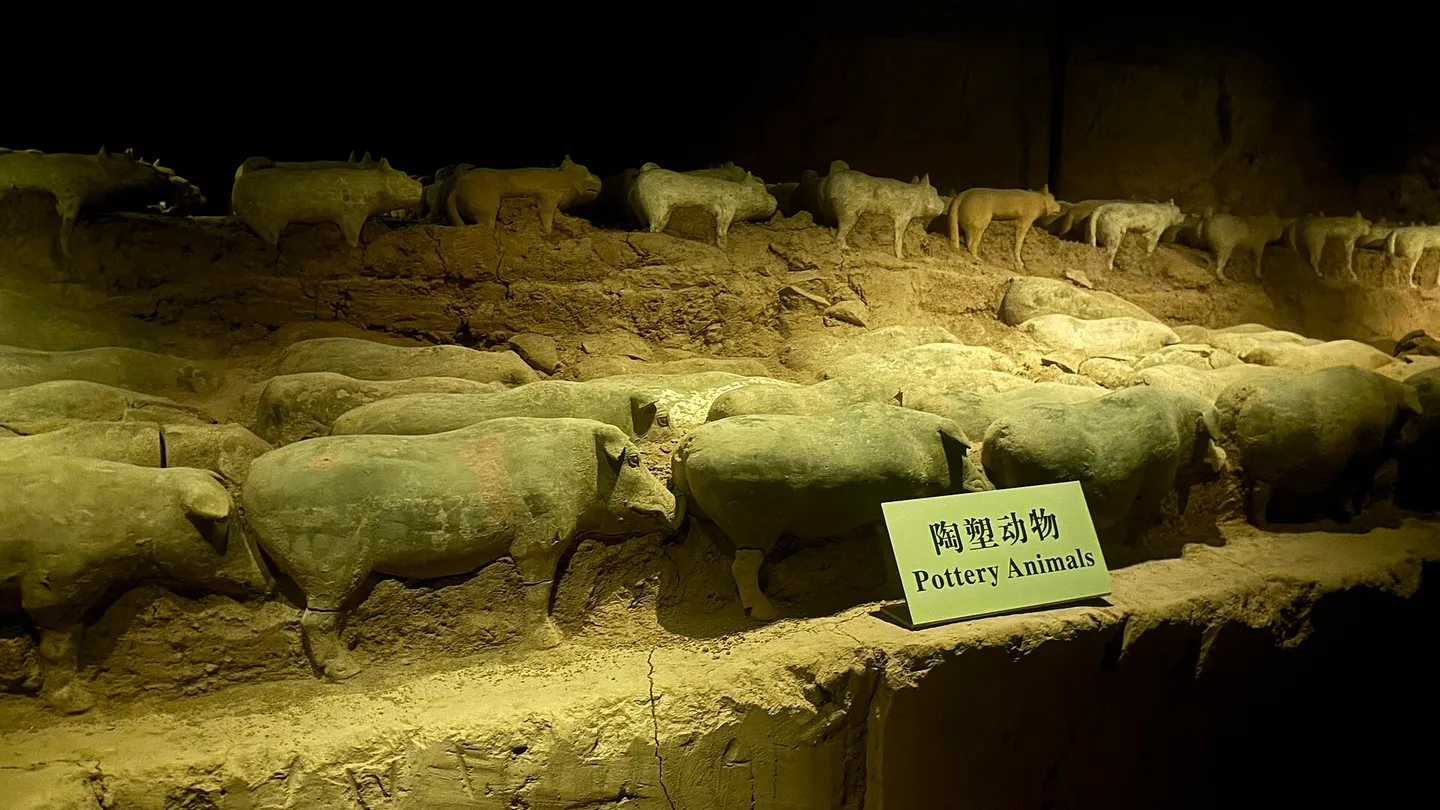
Unlike the Terracotta Warriors (life-sized soldiers), Han Yangling’s figures are miniature — about 60 cm tall. They were originally dressed in silk clothing with movable wooden arms. The clothing has long since decayed, leaving naked clay bodies in organized rows. There are also miniature animals, chariots, and everyday objects buried for the emperor’s afterlife.
The museum is built directly over the excavation pits with glass floors, so you walk above the figurines and see them from directly overhead. The lighting is dim and atmospheric, creating a completely different experience from the bright hangar of the Terracotta Warriors.
This site gets fewer visitors in a year than the Terracotta Warriors get in a single morning. On a weekday, you may be the only person in the museum. If you want a quiet, contemplative experience of ancient Chinese burial culture without jostling for viewing spots, this is it.
Why Han Yangling Is (Arguably) Better Than the Terracotta Warriors
Han Yangling gets called "the quieter Terracotta Warriors," but that undersells it. For many visitors, it is the more atmospheric experience. While the Terracotta Warriors are awe-inspiring in scale, Han Yangling offers something the Warriors do not: intimacy.
The museum is built directly over the excavation site with glass floors. You literally walk above the burial pits, looking down at thousands of miniature terracotta figurines — soldiers, servants, animals — exactly where they were placed 2,100 years ago. The figures are smaller (about 60 cm vs life-size) but more detailed — each face is individually sculpted. The burial pits also contain the tomb of Emperor Jing and Empress Wang, making this one of the few Han Dynasty imperial tombs open to the public.
Insider Tips
Weekday mornings are empty. Han Yangling gets a tiny fraction of the Warriors’ crowds. On a Tuesday at 9 AM, expect to be one of only a handful of visitors.
Combine with downtown attractions. Visit in the morning (40 min from city center), then return for the City Wall or Muslim Quarter in the afternoon. It pairs well with a relaxed day.
Don’t skip the exhibition hall. The glass-floored pits are the highlight, but the exhibition hall has fascinating displays about Han Dynasty daily life, including miniature granaries, livestock pens, and pottery kitchens.
The burial mound. Walk 10 minutes from the museum to the emperor’s actual burial mound — a large grassy hill. You cannot enter it (unexcavated), but standing on top gives a sense of the mausoleum’s scale.
Nearby
The big one. 40 min east. Do Yangling for a quiet morning, Warriors another day.
Tang Dynasty palace ruins. Sprawling park with reconstructed gates.
A quieter gate entry point. Good for a partial wall walk.
Related Attractions
Pair these with your visit for the best itineraries.
FAQ
Is Han Yangling worth visiting if I’ve seen the Terracotta Warriors?
Absolutely. It is a completely different experience — miniature figurines instead of life-sized, glass-floored pits instead of open hangars, and peaceful solitude instead of crowds. Many visitors prefer the intimate atmosphere here.
How do I get to Han Yangling?
Taxi from downtown: 40 min, $12-$15. Metro Line 2 to Shitushuguan Station, then bus or taxi (10-15 min). It is less convenient than the Warriors but the solitude is the reward.
How is it different from the Terracotta Warriors?
Size: 60 cm figures vs. life-sized. Era: Han Dynasty (202 BC) vs. Qin (210 BC). Crowds: dozens per day vs. thousands. Experience: quiet and contemplative vs. bustling and spectacular. They complement rather than compete with each other.
How does Han Yangling compare to the Terracotta Warriors?
Terracotta Warriors: massive scale, life-size figures, huge crowds, busier experience. Han Yangling: intimate glass-floor walkways, smaller but more detailed figures, far fewer visitors, more atmospheric. If you love history and archaeology, see both — they complement each other perfectly. If you can only see one, the Warriors are more iconic, but Han Yangling may be the more memorable personal experience.
The Glass Floor Experience: Walking Above History
Han Yangling's signature feature is its glass-floored corridors suspended directly above the excavation pits. Unlike the Terracotta Warriors — where you view from elevated walkways 5-10 meters away — here you stand on transparent panels looking straight down at artifacts exactly where they were buried 2,100 years ago.
Below your feet: rows of miniature terracotta soldiers (about 60 cm tall, compared to life-size at the Warriors), ceramic animals (pigs, dogs, sheep, goats — a full Han Dynasty farm), chariots, and storage jars. The figures are smaller but far more detailed than the Terracotta Warriors — you can see individual facial expressions, clothing folds, and even traces of the original paint. The museum also displays the tomb of Empress Wang, with jade burial suits and gold ornaments.
Unlike the Warriors, photography is allowed throughout Han Yangling. The low light levels under the glass floor make for atmospheric, museum-quality shots. Bring a fast lens (f/2.8 or wider) if you want crisp photos.